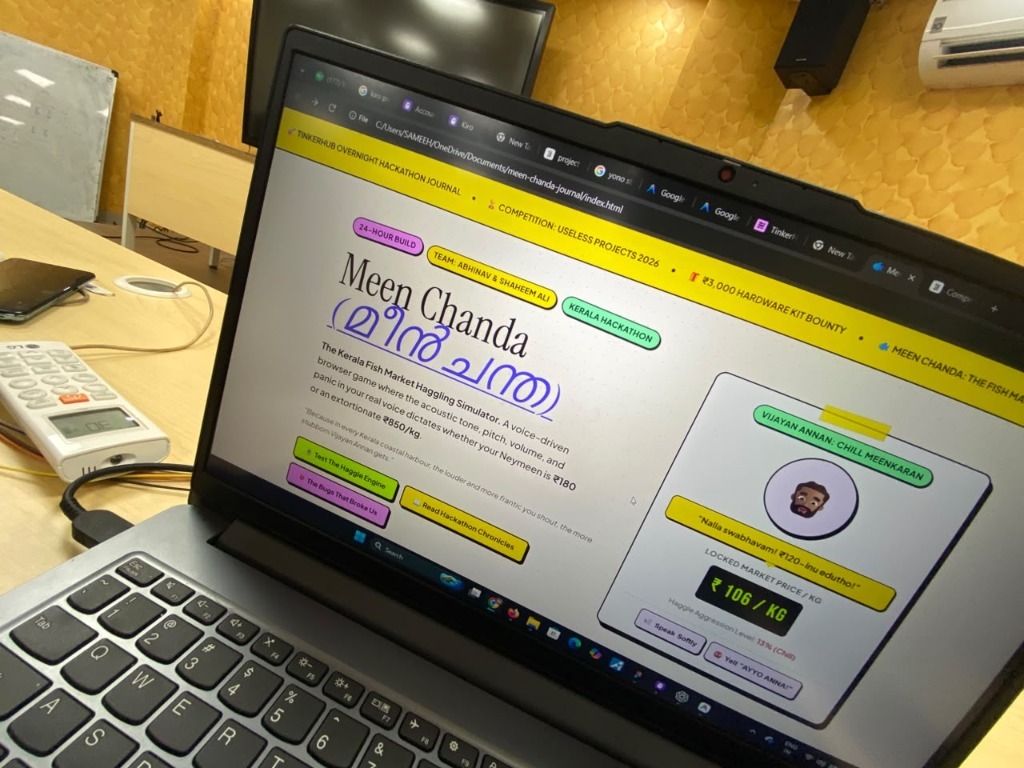
Meen Chanda
(മീൻ ചന്ത)
The night we decided to haggle with a fish seller — and somehow survived until 5:30 AM.
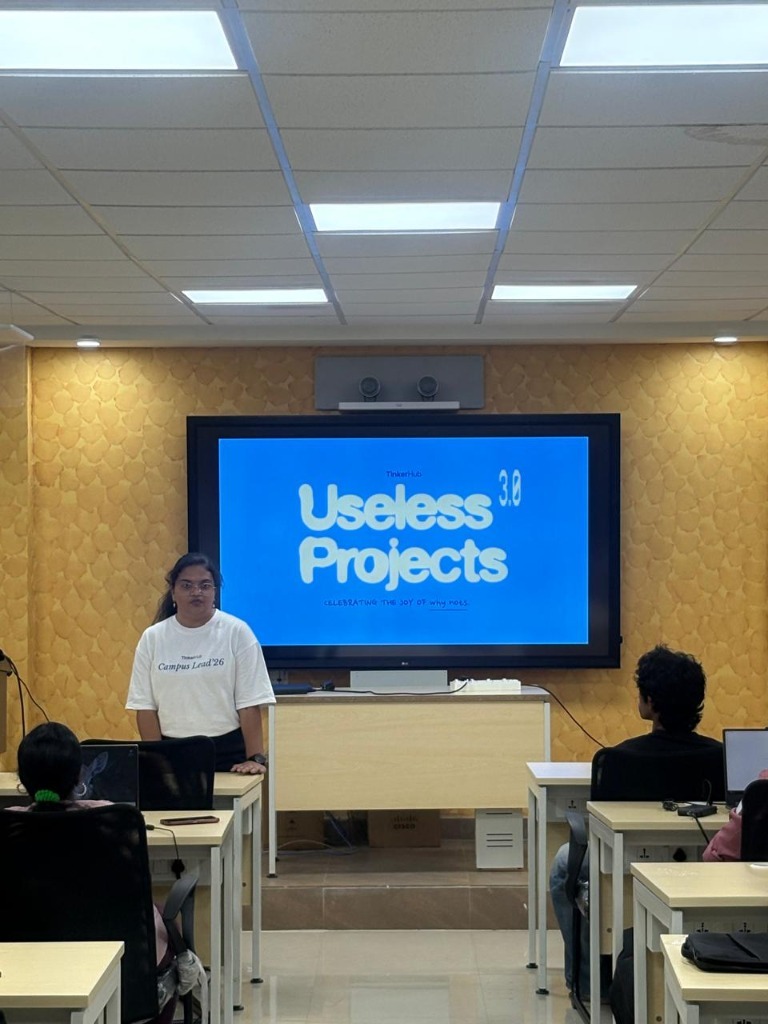
📖 The Story
Okay, Let's Start
We sat down at our seats, opened our laptops, arranged everything and started preparing.
At this point, we were still fresh. We were talking about what we wanted to build, how the game would work and how quickly we could finish it.
Looking back, the confidence we had at 6:30 PM was impressive. And completely unnecessary.
The idea was Meen Chanda, a fish-market haggling game where you don't simply type what you want to say. You actually talk. The game listens to your voice — things like volume, pitch and pace — and uses that to affect the negotiation.
"We decided to make a game where arguing with a fish seller is a legitimate skill."Let the Coding Begin
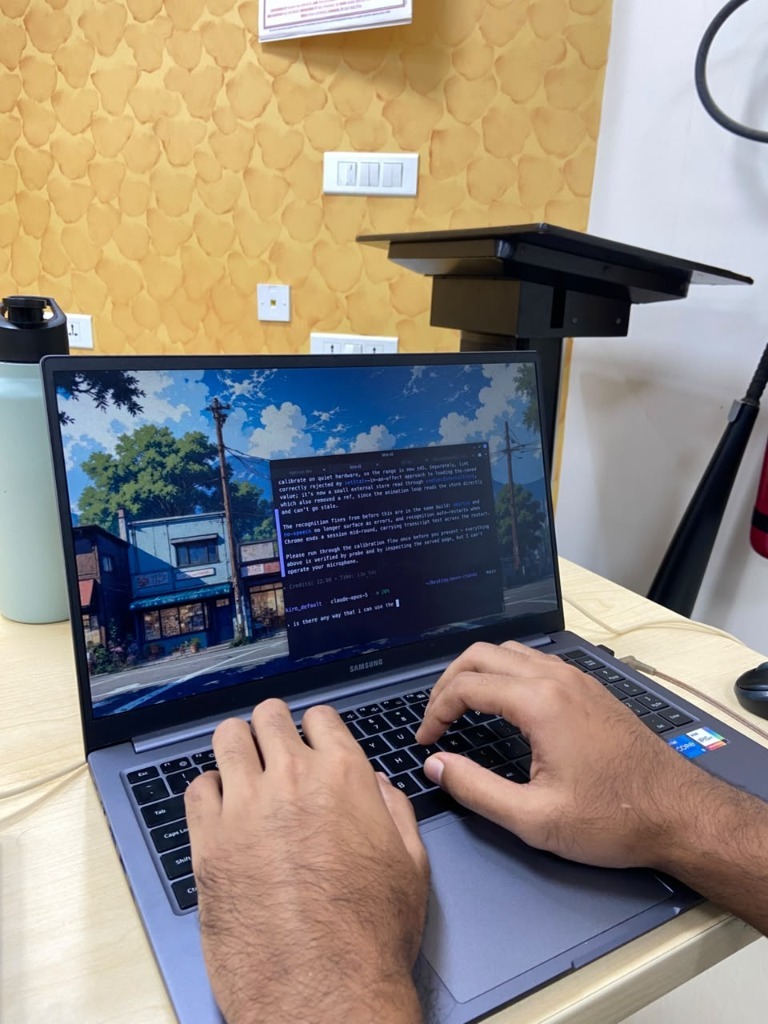
The laptops were open, the project was ready to go and we started putting the idea together.
The first hour was actually quite normal. We wrote some code. We tested things. We broke some things. We fixed some things.
Then broke something else while fixing the first thing.
Still, everything felt manageable. We had a whole night ahead of us. At least that's what we thought.
First Food Break 🍛
After some serious coding, hunger started becoming a bigger problem than the bugs.
So we went for food. And this was not just some random snack.
At that moment, this was the best software update we had received all evening.
We ate properly, talked for a while and came back with slightly more energy. For approximately 40 minutes.
The Hackathon Became a Music Festival 🎵
After food, some melody songs started playing. And somehow everyone was in a good mood. We had a small music session, listened to songs and just relaxed for a bit.
Somewhere nearby, someone was also making sounds for their project. And honestly, that was one of the funniest things happening around us.
"For a few minutes, nobody was thinking about bugs."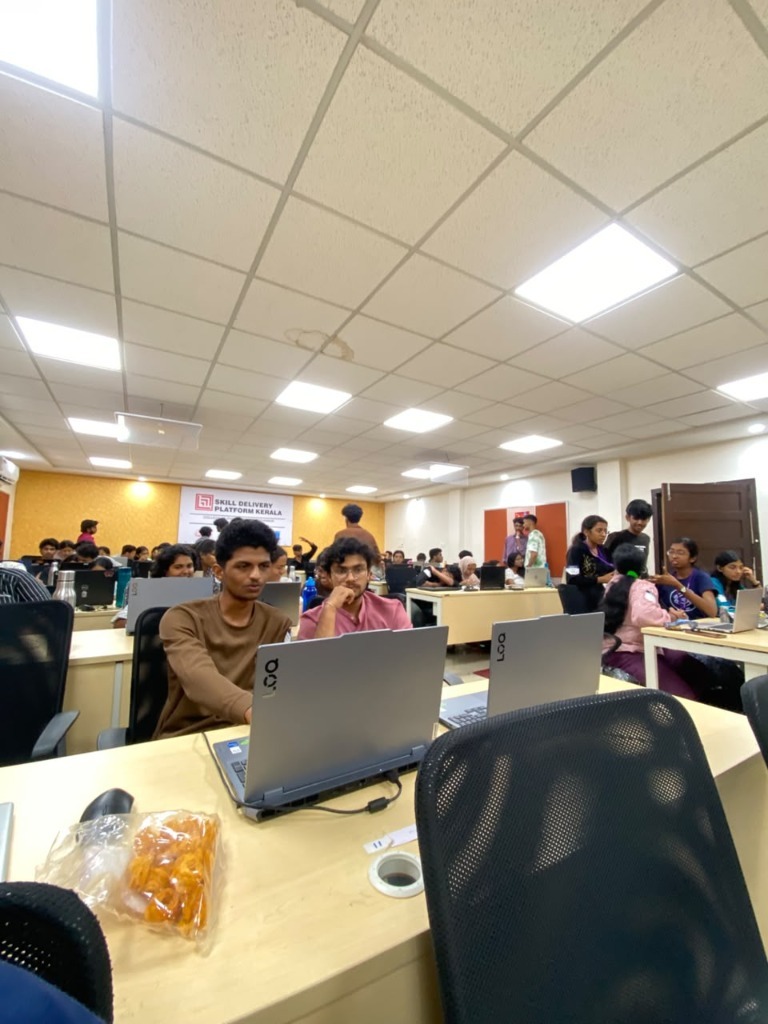
Back to Work
Fun time over. Back to the project.
The room had started changing by now. At the beginning, everyone was energetic and moving around. Now, there were people sitting with headphones on, people staring at screens, people discussing bugs and people walking around looking like they hadn't slept in three days.
"Bro, just one more thing."
That "one more thing" usually takes an hour.
The Great Project Tour 👀
At some point during the night, we started looking at what other teams were building. This was honestly one of the best parts.
We walked around, checked out different projects and saw what everyone else had come up with. Some projects were genuinely impressive. Some were very creative. And some were just... really funny.
We would look at someone's project, laugh about it for a while, then come back to our seats and continue coding like we hadn't just wasted ten minutes.
"It also gave us a small reminder that we weren't the only people suffering."The Night Gets Serious 💀
Midnight. Things were not going well.
The project had started collecting errors like we were collecting achievements. One error would disappear. Another would appear. Fix one thing. Something completely unrelated would stop working.
"I don't know."
"Okay, undo that."
"Which one?"
Silence.
After midnight, our eyes started getting heavier. The code was still on the screen. We were still typing. But our brains had started running on a different operating system.
"Sometimes we just knew there was code on the screen. That was enough."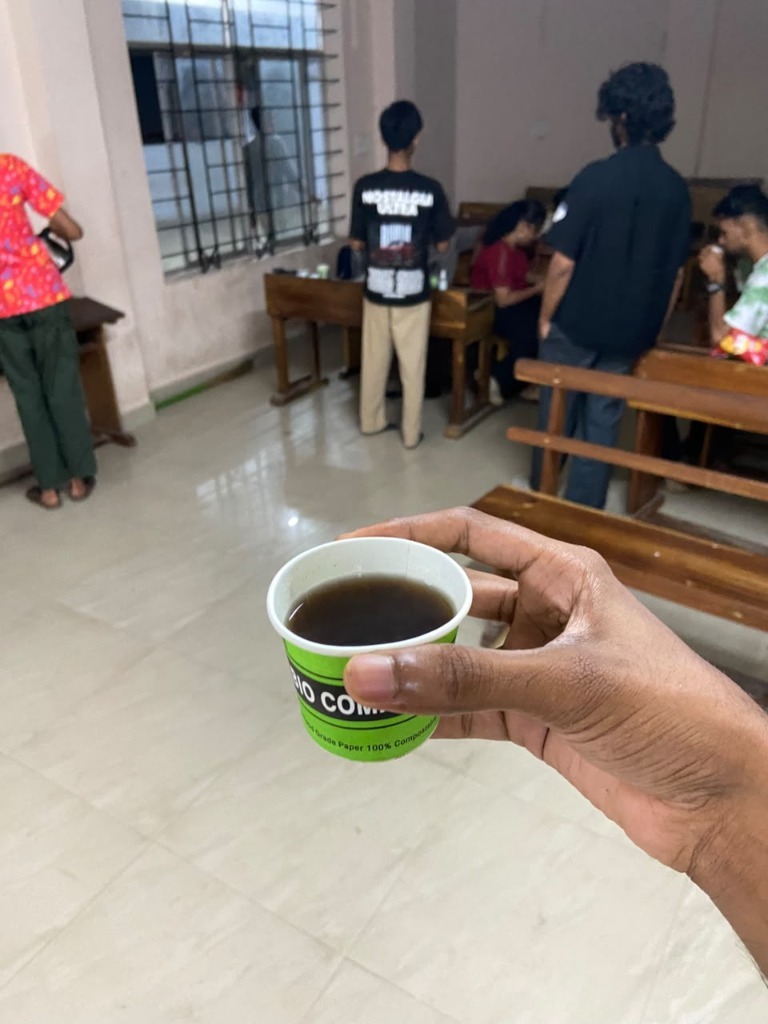
Snack Break Because Why Not 🍫
Around 1:00 AM, small snack breaks started happening. Not proper food. Just something to eat, something to drink and a few minutes away from the screen.
These tiny breaks were actually useful. We would sit, eat something, talk to friends and complain about whatever error had appeared five minutes earlier.
Then someone would say: "Okay, let's try it again."
And back to the laptop.
Chit Chat & Gaming Therapy 🎮
One thing we didn't expect was how much random talking would happen during the night. Between coding, there were conversations about completely unrelated things. Friends would come over. Someone would complain about their own bugs. Then somehow the conversation would move to something completely different.
For a few minutes, the hackathon didn't feel like a competition. It just felt like a bunch of students staying awake together.
At one point, we needed a real break. So we played a game for a few minutes. The idea was simple: Play for a bit, calm down, come back and code.
"For those few minutes, nobody cared about APIs, UI or errors."Wait... We're Actually Getting Somewhere ✨
Around 2:00 AM, things finally started coming together. The different parts of the project were beginning to connect.
For the first time that night, we could look at the screen and think:
That feeling was enough to bring some energy back. We were tired. Very tired. But seeing the project actually take shape made it worth continuing.
Of course, things couldn't stay peaceful for too long. More errors. More testing. More fixing. More checking whether something broke because of the previous fix.
"We weren't asking for perfection anymore. We just wanted the next thing to work."The UI Is Finally Done 🎨
The UI was finally completed. And this felt huge.
After hours of looking at code, the project finally looked like an actual game. We could see the interface. We could imagine someone actually playing it.
For a moment, we forgot how tired we were. Then we remembered there was still more to do. Because a good-looking UI doesn't magically fix the backend. Unfortunately.
Second Food Round — Happiness Restored 🍽️
At some point, food appeared again. And this time, we were very happy.
After hours of coding and surviving on small snacks, getting proper food for the second time felt like a reward. Nobody needed convincing. Food arrived. Everyone became happy.
"Honestly, this was probably our most successful team meeting of the night."The API Has Had Enough 💥
The project was finally getting close. Then the Sarvam AI API reached its token limit.
Of course.
After everything we'd already fought through, the API decided it had contributed enough.
"I'm done for tonight."
There was not much time left. So we had to find another solution. At 4 AM, this was exactly the kind of problem we wanted to see. Which is to say: we absolutely did not want to see it.
Plan B 🔑
We sorted it out using another API key. Not elegant. Not exciting. But it worked.
"If it runs, don't touch it."
We had learned our lesson. Every unnecessary change was a potential new disaster.
Is It Actually Finished? 👀
We looked through everything one more time. The UI was there. The game was working. The API was working again. The main features were ready.
We had somehow reached the finish line.
At this point, we weren't even sure whether we were awake or just operating on habit.
But the project was done.
That's it.
No more debugging. No more "let's just improve this one thing." No more opening the code.
The project was submitted.
We started at 6:30 PM and somehow made it to 5:30 AM. Eleven hours. One project. A lot of errors. Two proper food rounds. Several snack breaks. Random conversations. Music. Games. Looking at other teams' projects. Laughing at completely unexpected things. And a ridiculous amount of staring at code with sleepy eyes.
✨ Between the Lines
The funny thing about a hackathon is that the timeline doesn't really show everything.
There were dozens of tiny moments between those hours. Someone would suddenly shout because their code worked. Someone else would discover a new error immediately after fixing one. People would walk around checking other projects.
Friends would come over just to ask, "How much is left?"
The answer was always something like: "Almost done." Even when it wasn't.
There were random snacks appearing on tables. There were conversations that had absolutely nothing to do with the project. There were moments when everyone was completely focused. And then there were moments when nobody was doing anything productive but somehow everyone was having a great time.
"That's probably what made the night memorable."🐟 What We Built
Meen Chanda — The Fish Market Haggling Simulator
A voice-driven browser game where you haggle with a Kerala fish seller. Instead of typing, you actually speak — and the game listens to your voice to determine the negotiation outcome.
How It Works
Your browser captures your voice via the Web Audio API and analyses three acoustic parameters in real time:
- Volume (RMS loudness) — How loud you're speaking
- Pitch (fundamental frequency) — How high or panicked your voice sounds
- Speaking pace — How fast you're rattling off words
These three values are combined into a Haggle Aggression Score. The higher your aggression, the more the fish seller raises the price. Stay calm, speak softly, and the price drops.
Tech Stack
- Sarvam AI — Powers the fish seller's Malayalam dialogue and personality responses
- Web Audio API — Client-side volume and pitch analysis via AnalyserNode (2048-point FFT)
- Web Speech API — Speaking pace detection
- Vanilla JavaScript — Game state machine, UI and all logic — zero backend, zero npm dependencies
🧠 What We Learned
We learned how difficult it is to turn a simple idea into something that actually works.
We learned that debugging at 7 PM and debugging at 4 AM are two completely different experiences.
We learned that food can restore motivation faster than any motivational speech.
We learned that a five-minute break can sometimes save you from staring at the same error for another hour.
We learned that looking at other people's projects is a great way to get ideas — and also a great way to realise everyone else is struggling too.
🕐 The Final Timeline
🤝 The Team
Abhinav
Audio DSP engineering, Web Audio API pipeline, game state machine & debugging at 4 AM.
Shaheem Ali
UI/UX design, Sarvam AI integration, character dialogue, Web Speech API & the journal you're reading.
One Night. One Project.
Too Many Errors.
We came in with an idea. We spent the night trying to make it real.
Some parts worked immediately. Some parts absolutely refused to cooperate.
We ate. We coded. We took snack breaks. We played games for a few minutes. We checked out other projects. We laughed with friends. We listened to music. We watched people making completely unexpected sounds for their projects. We stared at errors with sleepy eyes. We fixed things. We broke things again.
And somehow, at 5:30 AM, we pressed the submit button.